
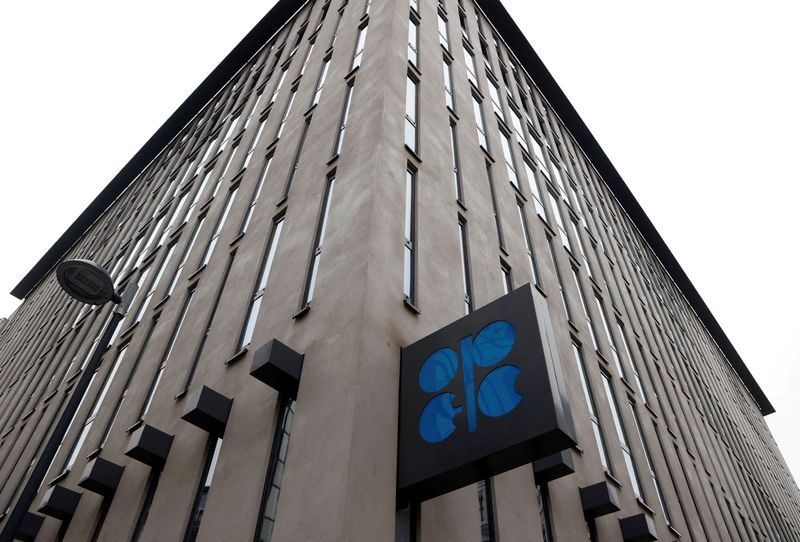
The UAE has announced its decision to exit OPEC and OPEC+ starting May 1, 2026. According to a report from Reuters, Goldman Sachs is now predicting a greater medium-term upside risk for oil supply.
But the key takeaway here isn’t about prices; it’s about governance. Abu Dhabi is opting for policy independence over cartel collaboration at a time when regional energy logistics are quite unpredictable.
This move aligns with a broader trend. Since the first quarter, Gulf sovereign balance sheets have been shifting towards more flexible funding options and bilateral agreements. Capital is being strategically positioned for adaptability during stressful times, rather than just seeking returns in stable markets.
For family offices and private capital investors, the main concern is how to design their exposure. Energy risk isn’t just about commodity cycles anymore; it’s now intertwined with risks from policy fragmentation, transport bottlenecks, and the behavior of sovereign financing.
This might mean that portfolio structures need to rethink how they balance directional oil risk with cash flow linked to infrastructure.
Additionally, selecting managers may require a more careful examination of their geopolitical risk assessment frameworks.
Assumptions about cross-border structuring starting in 2024 might already be outdated.
If producer coordination starts to falter, what’s the first thing that could go wrong in your risk model?
But the key takeaway here isn’t about prices; it’s about governance. Abu Dhabi is opting for policy independence over cartel collaboration at a time when regional energy logistics are quite unpredictable.
This move aligns with a broader trend. Since the first quarter, Gulf sovereign balance sheets have been shifting towards more flexible funding options and bilateral agreements. Capital is being strategically positioned for adaptability during stressful times, rather than just seeking returns in stable markets.
For family offices and private capital investors, the main concern is how to design their exposure. Energy risk isn’t just about commodity cycles anymore; it’s now intertwined with risks from policy fragmentation, transport bottlenecks, and the behavior of sovereign financing.
This might mean that portfolio structures need to rethink how they balance directional oil risk with cash flow linked to infrastructure.
Additionally, selecting managers may require a more careful examination of their geopolitical risk assessment frameworks.
Assumptions about cross-border structuring starting in 2024 might already be outdated.
If producer coordination starts to falter, what’s the first thing that could go wrong in your risk model?