
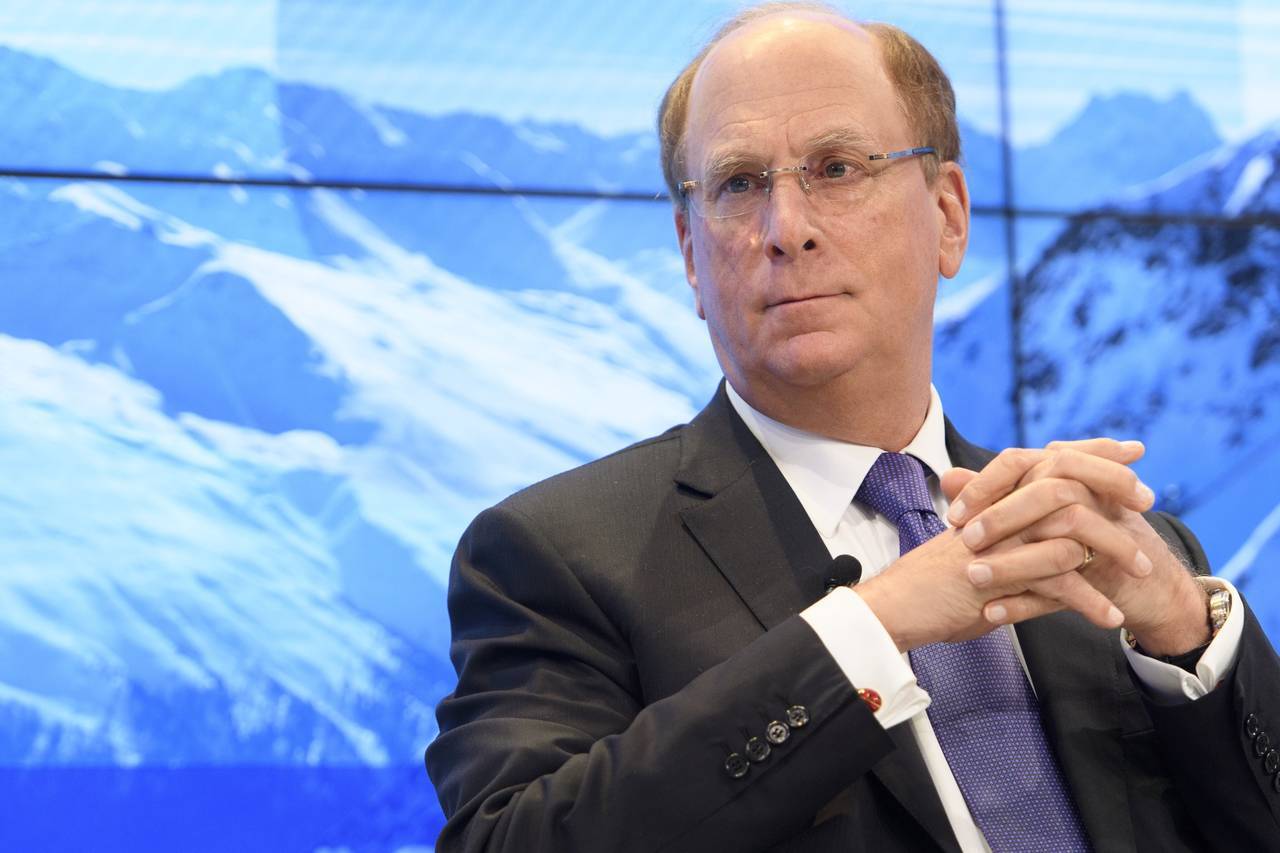
As Bloomberg News reported, BlackRock’s $12.5 billion acquisition of Global Infrastructure Partners (GIP) didn’t just mint a new set of rich people. It seems to have created a new kind of buyer: dealmakers who take the payout, then rebuild their investing life inside a dedicated family office.
At least four of GIP’s six founding partners have now launched or expanded family offices to manage fortunes of roughly $3.7 billion.
That matters because it’s not a “now I have time for golf” move. It’s a practical one.
BlackRock has been leaning hard into private markets, committing more than $25 billion over the past two years, in effect saying the classic 60/40 portfolio isn’t enough on its own anymore. Meanwhile, the people who helped build the private-markets machine are doing something even more telling: moving their own capital into structures with fewer constraints, longer time horizons, and direct access.
You see the same logic in other exits. Preqin founder Mark O’Hare’s Valhalla Ventures reportedly puts around 70% of its portfolio outside public markets after a $3.2 billion sale. And family offices aren’t a niche side-show anymore: at least a fifth of the world’s 500 richest reportedly use them, overseeing more than $5 trillion.
Zoom out and the pattern is pretty consistent:
• Build a private-markets platform.
• Exit at scale.
• Reassemble the balance sheet inside a bespoke family office that can tolerate illiquidity, concentrate positions, and move fast when opportunities show up.
For HNWI and UHNWI, the question is drifting away from “Which manager has the best fund?” toward something more foundational: What ownership and governance setup actually matches the kind of balance sheet you’re building?
Because once you commit to private assets for decades, the edge isn’t only manager selection. It’s structure: decision rights, incentives, liquidity planning, and who gets to say “no” when markets get weird.
In other words: private markets still matter. But the louder signal is where the most informed capital chooses to sit — and what it builds around itself once it gets there.
At least four of GIP’s six founding partners have now launched or expanded family offices to manage fortunes of roughly $3.7 billion.
That matters because it’s not a “now I have time for golf” move. It’s a practical one.
BlackRock has been leaning hard into private markets, committing more than $25 billion over the past two years, in effect saying the classic 60/40 portfolio isn’t enough on its own anymore. Meanwhile, the people who helped build the private-markets machine are doing something even more telling: moving their own capital into structures with fewer constraints, longer time horizons, and direct access.
You see the same logic in other exits. Preqin founder Mark O’Hare’s Valhalla Ventures reportedly puts around 70% of its portfolio outside public markets after a $3.2 billion sale. And family offices aren’t a niche side-show anymore: at least a fifth of the world’s 500 richest reportedly use them, overseeing more than $5 trillion.
Zoom out and the pattern is pretty consistent:
• Build a private-markets platform.
• Exit at scale.
• Reassemble the balance sheet inside a bespoke family office that can tolerate illiquidity, concentrate positions, and move fast when opportunities show up.
For HNWI and UHNWI, the question is drifting away from “Which manager has the best fund?” toward something more foundational: What ownership and governance setup actually matches the kind of balance sheet you’re building?
Because once you commit to private assets for decades, the edge isn’t only manager selection. It’s structure: decision rights, incentives, liquidity planning, and who gets to say “no” when markets get weird.
In other words: private markets still matter. But the louder signal is where the most informed capital chooses to sit — and what it builds around itself once it gets there.