
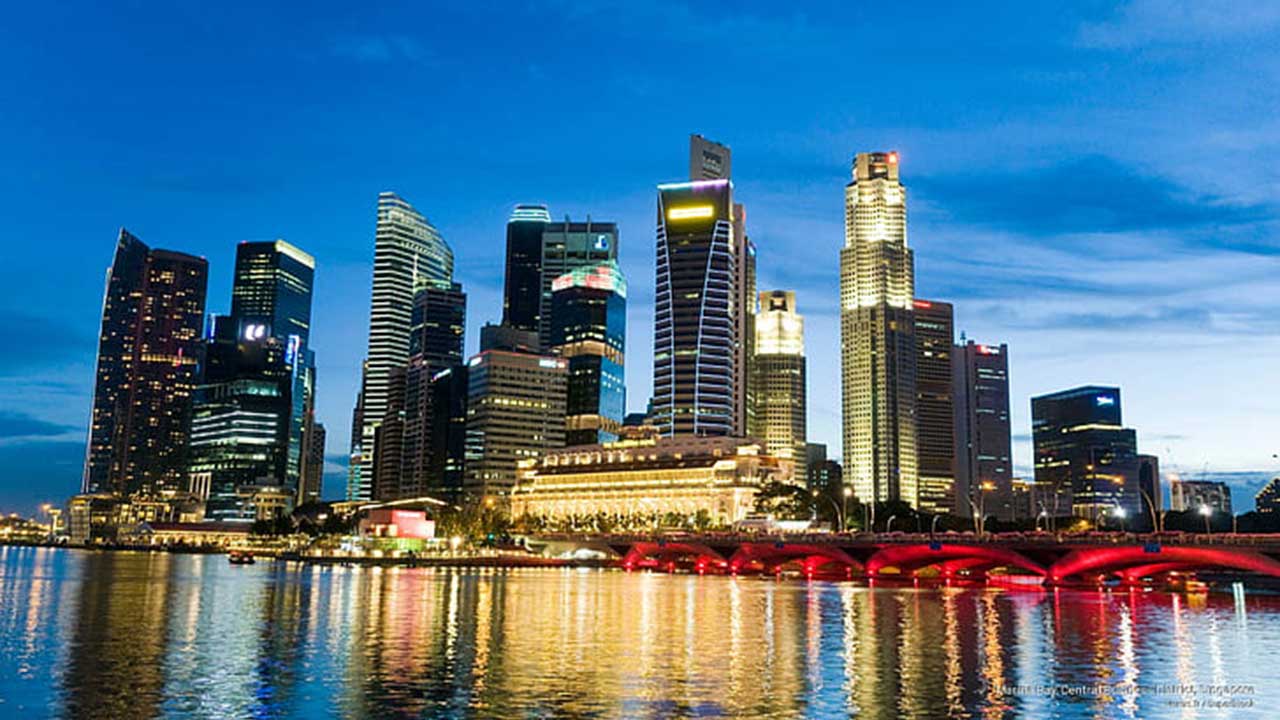
Singapore is usually the right choice when the business needs a serious Asia operating base, credible regional contracting, and banking that can support cross-border trade or services. It works especially well for founder-led international businesses, regional headquarters, trading groups, and companies that expect customers, suppliers, or investors to take the Singapore entity seriously.
It is not the right answer if the company is only looking for a low-maintenance shell, a paper holding company with no real local role, or a tax story that works without operational discipline. Singapore is efficient, but it is not casual.
The real question is simple: what will the Singapore company actually do, and can you support that role properly?
It is not the right answer if the company is only looking for a low-maintenance shell, a paper holding company with no real local role, or a tax story that works without operational discipline. Singapore is efficient, but it is not casual.
The real question is simple: what will the Singapore company actually do, and can you support that role properly?
What Singapore Is Actually Used For
Singapore is strongest as an operating company or regional coordination hub. A software company selling into Southeast Asia may use a Singapore entity to sign contracts, hire a regional team, and centralise billing. A trading business may use it to manage suppliers, inventory financing, and customer collections across Asia. A foreign group may also use a Singapore subsidiary to run an Asia-Pacific commercial team while the parent stays elsewhere.
It can work as a holding or treasury layer too, but only when there is genuine commercial logic behind that choice. If directors, decision-making, banking, and group management all sit outside Singapore, the structure becomes harder to defend. Singapore tends to work best when the company is meant to do something real: contract, employ, manage, collect, or coordinate.
It can work as a holding or treasury layer too, but only when there is genuine commercial logic behind that choice. If directors, decision-making, banking, and group management all sit outside Singapore, the structure becomes harder to defend. Singapore tends to work best when the company is meant to do something real: contract, employ, manage, collect, or coordinate.
When It Works vs When It Does Not
Works well when:
Does not work when:
If the main story is Gulf operations and founder relocation, the UAE may be more natural. If the business is primarily China-facing, Hong Kong may be a closer comparison. Singapore should win when the business genuinely needs a disciplined Asia base.
- The business needs a real Asia-facing operating base.
- Regional customers, partners, or investors expect a stable and familiar jurisdiction.
- The company can support local governance, bookkeeping, tax, and annual filings.
- The founders want one serious hub for sales, management, or regional finance operations.
- Banking, ownership, and transaction flows can be explained cleanly.
Does not work when:
- The entity exists mainly for optics, without staff, control, or business purpose.
- The founders expect very light compliance because incorporation is fast.
- The business wants a pure low-tax shell with minimal ongoing work.
- Management stays fully outside Singapore while the local company is expected to carry meaningful risk.
- The banking file will be weak because source of funds, counterparties, or transaction logic are unclear.
If the main story is Gulf operations and founder relocation, the UAE may be more natural. If the business is primarily China-facing, Hong Kong may be a closer comparison. Singapore should win when the business genuinely needs a disciplined Asia base.
Structure Decisions: Private Limited Company, Subsidiary, or Branch
Most international businesses use a Singapore private limited company. That is usually the cleanest vehicle for contracting, hiring, opening bank accounts, and ring-fencing liability. In practice, the real decision is often between a Singapore subsidiary under a foreign parent and a branch of an existing foreign company.
A subsidiary is usually cleaner because liabilities, accounting, and ownership are more clearly separated. A branch can work when the foreign company wants direct presence without a separate legal entity, but it often creates more complexity around tax, reporting, and how the Singapore activity is presented to banks.
There are also practical governance requirements. ACRA requires at least one director who is ordinarily resident in Singapore, and every company must appoint a company secretary within six months of incorporation. So this is not a purely remote structure if nobody in the business has local standing.
The common mistake is incorporating first and solving governance later. In Singapore, that usually means the legal shell exists but the operating model is still weak.
A subsidiary is usually cleaner because liabilities, accounting, and ownership are more clearly separated. A branch can work when the foreign company wants direct presence without a separate legal entity, but it often creates more complexity around tax, reporting, and how the Singapore activity is presented to banks.
There are also practical governance requirements. ACRA requires at least one director who is ordinarily resident in Singapore, and every company must appoint a company secretary within six months of incorporation. So this is not a purely remote structure if nobody in the business has local standing.
The common mistake is incorporating first and solving governance later. In Singapore, that usually means the legal shell exists but the operating model is still weak.
Tax Reality
Singapore’s headline corporate income tax rate is 17% on chargeable income. That is attractive, but the more important point is that the system is formal and record-driven.
GST is the next issue founders underestimate. The standard GST rate is 9%, and registration becomes compulsory when taxable turnover exceeds S$1 million under the retrospective or prospective tests. Some businesses can register voluntarily, but that should be a considered decision because it creates filing and compliance obligations.
The common misunderstanding is treating Singapore mainly as a tax play. In reality, the tax outcome depends on whether the company can support its position with proper accounting, contracts, and a coherent explanation of what the Singapore entity actually does. For cross-border groups, the harder questions are usually where management decisions are made, which entity earns which revenue, and whether the records match the commercial reality.
GST is the next issue founders underestimate. The standard GST rate is 9%, and registration becomes compulsory when taxable turnover exceeds S$1 million under the retrospective or prospective tests. Some businesses can register voluntarily, but that should be a considered decision because it creates filing and compliance obligations.
The common misunderstanding is treating Singapore mainly as a tax play. In reality, the tax outcome depends on whether the company can support its position with proper accounting, contracts, and a coherent explanation of what the Singapore entity actually does. For cross-border groups, the harder questions are usually where management decisions are made, which entity earns which revenue, and whether the records match the commercial reality.
Banking Reality
Singapore is respected by banks, but onboarding is not automatic. Banks still want a coherent file: ownership, beneficial owners, source of wealth, source of funds, expected transaction profile, customer geography, and the commercial reason for the Singapore entity.
This is where many setups slow down. The company may be incorporated quickly, but the bank account takes longer because the bank is really underwriting the story, not the certificate. If the ownership chain is layered, counterparties are hard to explain, or the transaction flows do not match the stated activity, onboarding becomes difficult.
A clean regional operating company with understandable flows is much easier than a multi-jurisdiction structure with vague commercial logic. Founders should expect to prepare ownership documents, business plans, and evidence of why Singapore is the right base.
This is where many setups slow down. The company may be incorporated quickly, but the bank account takes longer because the bank is really underwriting the story, not the certificate. If the ownership chain is layered, counterparties are hard to explain, or the transaction flows do not match the stated activity, onboarding becomes difficult.
A clean regional operating company with understandable flows is much easier than a multi-jurisdiction structure with vague commercial logic. Founders should expect to prepare ownership documents, business plans, and evidence of why Singapore is the right base.
Operational Reality
Singapore is efficient, but it is not low-touch once the company goes live. ACRA expects annual governance to be maintained, including annual general meetings where required and annual return filing. Companies also need proper accounting records, tax filings with IRAS, and updated company registers. Changes to directors, secretaries, and other company information must be updated through BizFile within the required deadlines.
There is also beneficial ownership reporting. Unless exempt, companies must file registrable controller information with ACRA through the central register. That matters because some founders still assume nominee-style opacity is normal. In Singapore, transparency expectations are much higher.
What businesses underestimate is not one filing. It is the coordination burden across bookkeeping, tax, payroll, banking requests, company secretarial work, and management reporting. If setup is handled by one firm, tax by another, payroll by another, and nobody owns the monthly finance picture, the structure becomes fragile fast.
There is also beneficial ownership reporting. Unless exempt, companies must file registrable controller information with ACRA through the central register. That matters because some founders still assume nominee-style opacity is normal. In Singapore, transparency expectations are much higher.
What businesses underestimate is not one filing. It is the coordination burden across bookkeeping, tax, payroll, banking requests, company secretarial work, and management reporting. If setup is handled by one firm, tax by another, payroll by another, and nobody owns the monthly finance picture, the structure becomes fragile fast.
Example Scenario
A UAE-based founder has built a B2B software company selling into Indonesia, Malaysia, and Singapore. Customers in the region want a stable contracting entity, the company plans to hire a small commercial team in Singapore, and the founder wants one finance and banking hub for Asian revenue.
In that case, a Singapore private limited subsidiary can make sense. The group puts a compliant local director structure in place, opens a bank account with a clear transaction profile, appoints a company secretary, and runs monthly bookkeeping and tax compliance from the start. The Singapore entity signs regional contracts, collects revenue, and supports a real team.
It works because the company has an actual Singapore role. It fails if the entity only invoices customers while all management, delivery, and control remain elsewhere.
In that case, a Singapore private limited subsidiary can make sense. The group puts a compliant local director structure in place, opens a bank account with a clear transaction profile, appoints a company secretary, and runs monthly bookkeeping and tax compliance from the start. The Singapore entity signs regional contracts, collects revenue, and supports a real team.
It works because the company has an actual Singapore role. It fails if the entity only invoices customers while all management, delivery, and control remain elsewhere.
How Octagon Fits In
Octagon fits once the jurisdiction decision becomes operational. Singapore usually does not fail because the company form is confusing. It fails because finance execution is fragmented: bookkeeping is late, tax is handled separately from operations, banking requests are reactive, and management reporting is too weak to support a cross-border structure.
The value is not only setup. It is keeping the Singapore entity workable over time across accounting, tax, company secretarial coordination, reporting, and finance control.
The value is not only setup. It is keeping the Singapore entity workable over time across accounting, tax, company secretarial coordination, reporting, and finance control.
Conclusion
Singapore is the right choice when the business needs a credible Asia operating base, real regional contracting capacity, disciplined banking, and a structure that sophisticated counterparties trust.
It is not the right choice when the entity is mostly cosmetic, when local governance will be ignored, or when the founders want tax advantages without substance and operational discipline.
If you are considering Singapore company setup, start with the role of the entity: operating company, regional hub, subsidiary, branch, or holding layer. Once that role is clear, the tax, banking, and finance operations decisions become much easier to make well.
It is not the right choice when the entity is mostly cosmetic, when local governance will be ignored, or when the founders want tax advantages without substance and operational discipline.
If you are considering Singapore company setup, start with the role of the entity: operating company, regional hub, subsidiary, branch, or holding layer. Once that role is clear, the tax, banking, and finance operations decisions become much easier to make well.